14 Jul 2026
Tracing the Evolution of Multi-Currency Support Systems in Cross-Border Online Wagering Platforms
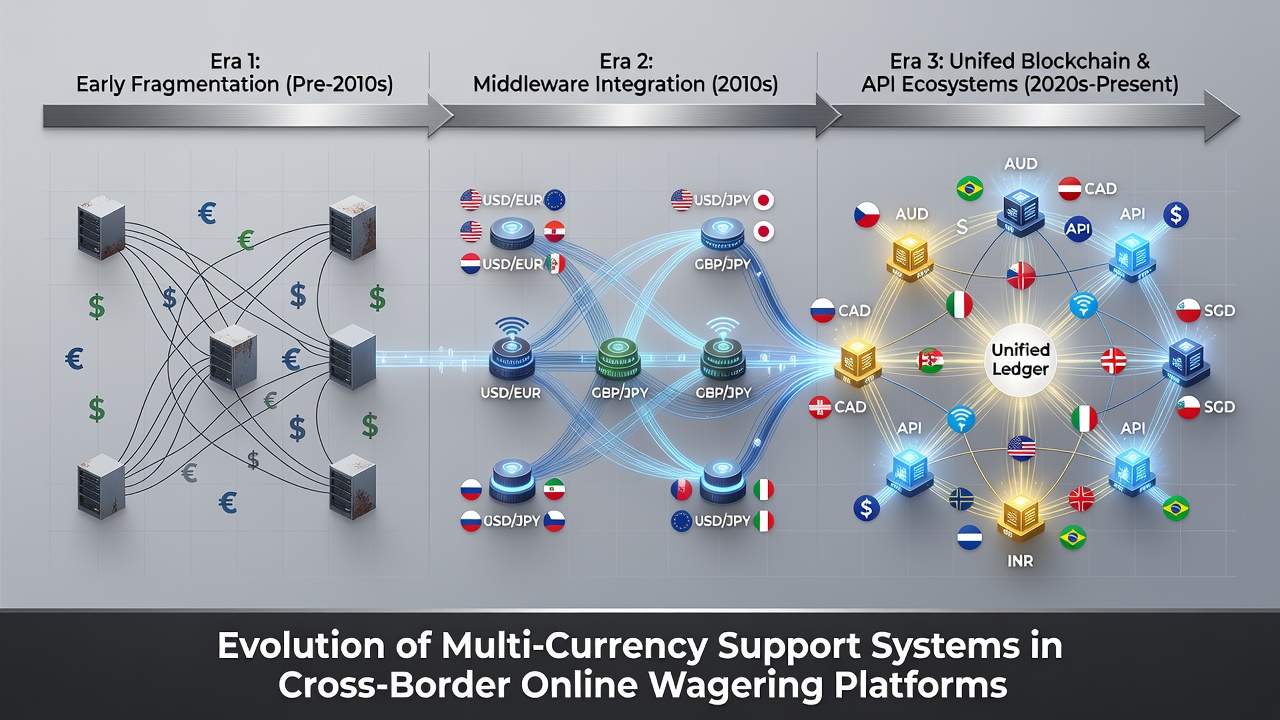
Cross-border online wagering platforms began with limited currency options that restricted participation to users holding accounts in specific denominations such as US dollars or euros and this approach created barriers for participants in regions where local currencies dominated daily transactions. Early systems relied on manual conversions through third-party processors which added delays and fees that accumulated across multiple exchanges.
Initial Limitations in Currency Handling
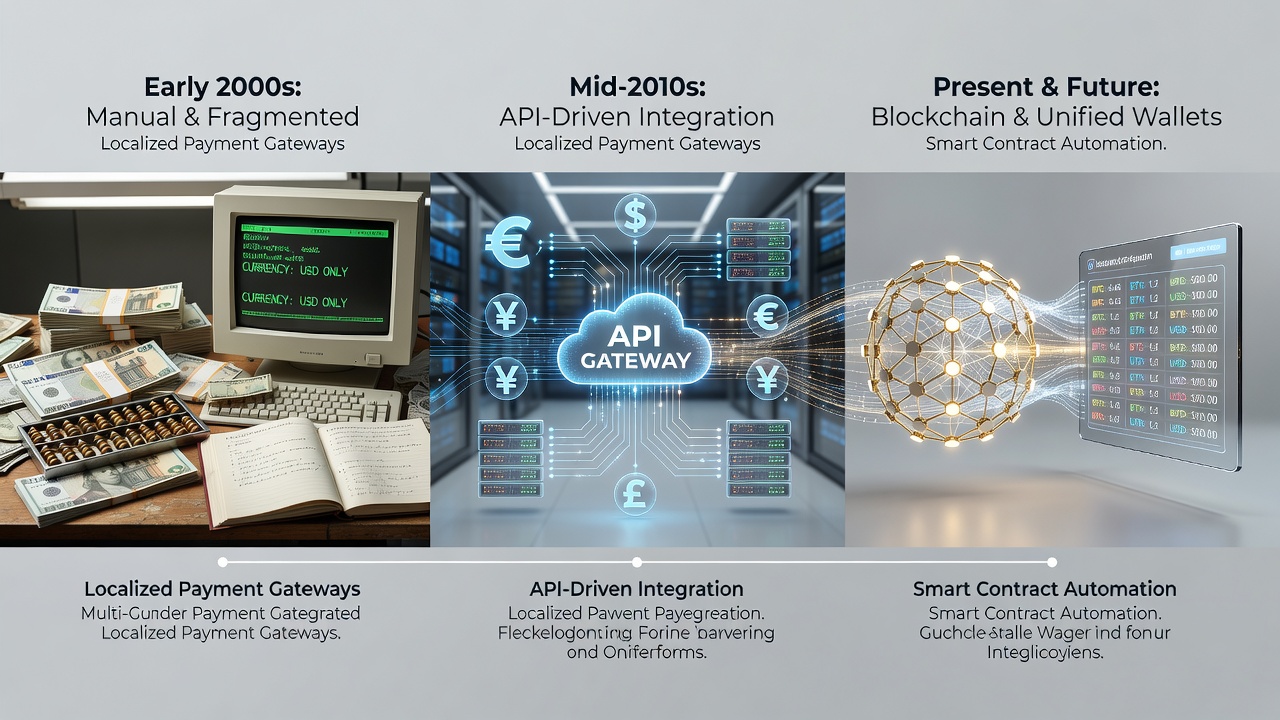
Operators in the late 1990s and early 2000s maintained single-currency ledgers because integration with banking networks remained fragmented and regulatory approvals focused on domestic markets rather than international flows. Data from industry reports indicate that players outside core regions encountered conversion losses reaching several percentage points on each deposit while withdrawal processes extended over days due to intermediary bank requirements.
Those who studied platform architectures recall how database schemas stored balances in one base currency and this design forced real-time recalculations that strained server resources during peak hours. Researchers discovered that such constraints reduced user retention rates in emerging markets where local currency volatility made fixed-rate conversions unpredictable.
Shift Toward Multi-Currency Architectures
By the mid-2000s developers introduced modular ledger systems capable of holding parallel balances in multiple denominations and these updates coincided with broader adoption of electronic payment processors that supported direct feeds from international banks. Platforms expanded supported currencies to include British pounds, Australian dollars and Japanese yen as transaction volumes from Asia-Pacific regions increased steadily.
According to figures from the European Gaming and Betting Association, the number of supported currency pairs on major platforms rose from fewer than ten in 2005 to over fifty by 2015 as API connections to foreign exchange providers became standard. This expansion allowed operators to settle bets without intermediate conversions in many cases and reduced exposure to exchange rate fluctuations.
Regulatory Influences on System Design
Government agencies across different jurisdictions began requiring transparent currency handling to protect participants and this led platforms to implement audit trails that logged every conversion step. Canadian regulators for instance emphasized compliance with anti-money laundering rules that demanded clear separation of currency pools while Australian authorities focused on consumer disclosure standards for fees associated with cross-border transfers.
Observers note that these requirements prompted investment in segregated wallet structures where each currency maintained independent compliance checks before funds moved between accounts. Such changes aligned platform operations with varying tax reporting obligations that differed by region and currency type.
Integration of Real-Time Conversion Tools
Technological advances in the 2010s brought application programming interfaces that pulled live exchange rates from financial markets and this allowed platforms to offer instant conversions at the moment of deposit or withdrawal. Systems began incorporating hedging mechanisms that locked rates for short periods to shield users from sudden market swings during transaction processing.
One study from a University of Nevada research team revealed that platforms adopting these tools saw measurable growth in active accounts from regions with less stable local currencies because participants gained confidence in predictable settlement amounts. Integration with cryptocurrency gateways further diversified options as operators added support for stablecoins pegged to major fiat currencies.
Developments Around July 2026
In July 2026 several leading platforms completed upgrades that incorporated additional regional currencies from Southeast Asia and Latin America following updates to cross-border payment protocols established by international banking consortia. These enhancements included automated compliance screening that verified transaction origins against updated sanctions lists without interrupting user flows.
Records show that average processing times for multi-currency withdrawals dropped below two hours on upgraded networks compared with previous averages exceeding twelve hours and this improvement stemmed from direct connections to newer payment rails that bypassed legacy correspondent banking chains.
Current Standards and Ongoing Adaptations
Modern architectures now separate currency management into distinct microservices that communicate through encrypted channels and this modular design supports rapid addition of new denominations as markets open. Operators track participation metrics by currency pair to identify demand patterns and adjust liquidity reserves accordingly.
Industry organizations such as the International Association of Gaming Regulators have published guidelines that emphasize consistent disclosure of conversion spreads and these recommendations have influenced platform interfaces to display all fees upfront before transactions finalize. Data indicates continued expansion of supported currencies as emerging markets contribute larger shares of global wagering volume.
Conclusion
The progression from single-currency restrictions to sophisticated multi-currency frameworks reflects responses to technological capabilities, regulatory demands and shifting participant locations across borders. Platforms continue refining these systems through incremental updates that maintain compliance while expanding accessibility for users worldwide.