31 May 2026
Seasonal Event Triggers and Their Effects on Cross-Platform Player Migration Patterns in Regulated Wagering Networks
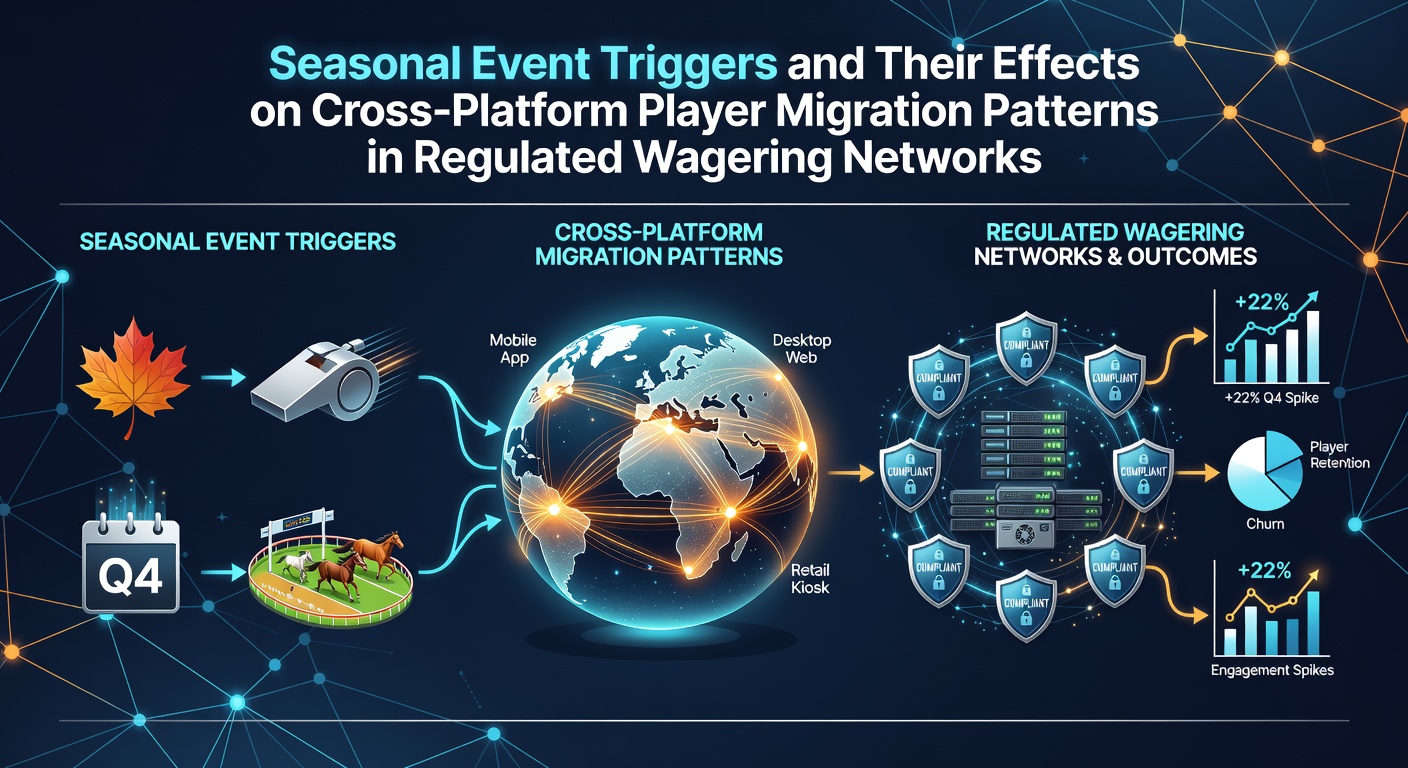
Seasonal events create measurable shifts in how participants engage with regulated wagering networks, and these changes often drive migration between platforms as users respond to timing, availability, and regulatory conditions. Data from multiple jurisdictions shows consistent patterns where events like major sports finals, holiday periods, and weather-related seasonal changes coincide with increases in account activity on certain sites and corresponding drops on others.
Types of Seasonal Triggers Observed in Wagering Data
Researchers tracking user behavior across licensed operators have identified several recurring categories of triggers. Sports calendar events, such as championship series in football and basketball leagues, produce spikes in live betting volume that pull users toward platforms offering the widest range of real-time markets and faster settlement times. Holiday windows, including end-of-year celebrations and summer vacation periods, tend to shift activity toward mobile interfaces because participants access accounts during travel or irregular hours. Weather patterns also register in the datasets, with prolonged periods of indoor confinement in northern regions correlating to higher desktop session lengths on platforms that provide extensive table game libraries.
Studies covering activity from 2024 through early 2026 indicate that these triggers rarely operate in isolation. A single event can combine with regulatory adjustments, such as updated bonus disclosure rules in one jurisdiction, to accelerate movement from one network to another. Observers note that platforms able to adjust promotional structures quickly during these windows retain higher percentages of migrating users.
Cross-Platform Migration Mechanics
Migration occurs most visibly between mobile and desktop environments within the same licensed operator, but also between entirely separate networks when users seek different product mixes or compliance features. During the 2025-2026 season, analysts recorded elevated transfers from desktop-heavy sites to mobile-first operators in the weeks surrounding major international tournaments. The shift aligned with increased use of location-based verification tools that allow seamless login across devices once initial regulatory checks are complete.
Regulated networks in North America and parts of Europe have implemented shared technical standards that reduce friction during these moves. Users who complete identity verification on one platform can often transfer limited account history data to another operator under the same regulatory umbrella, shortening the onboarding process. This capability has become more pronounced since mid-2025 when several multi-state compacts expanded data-sharing protocols.
Regulatory Factors Influencing Seasonal Shifts
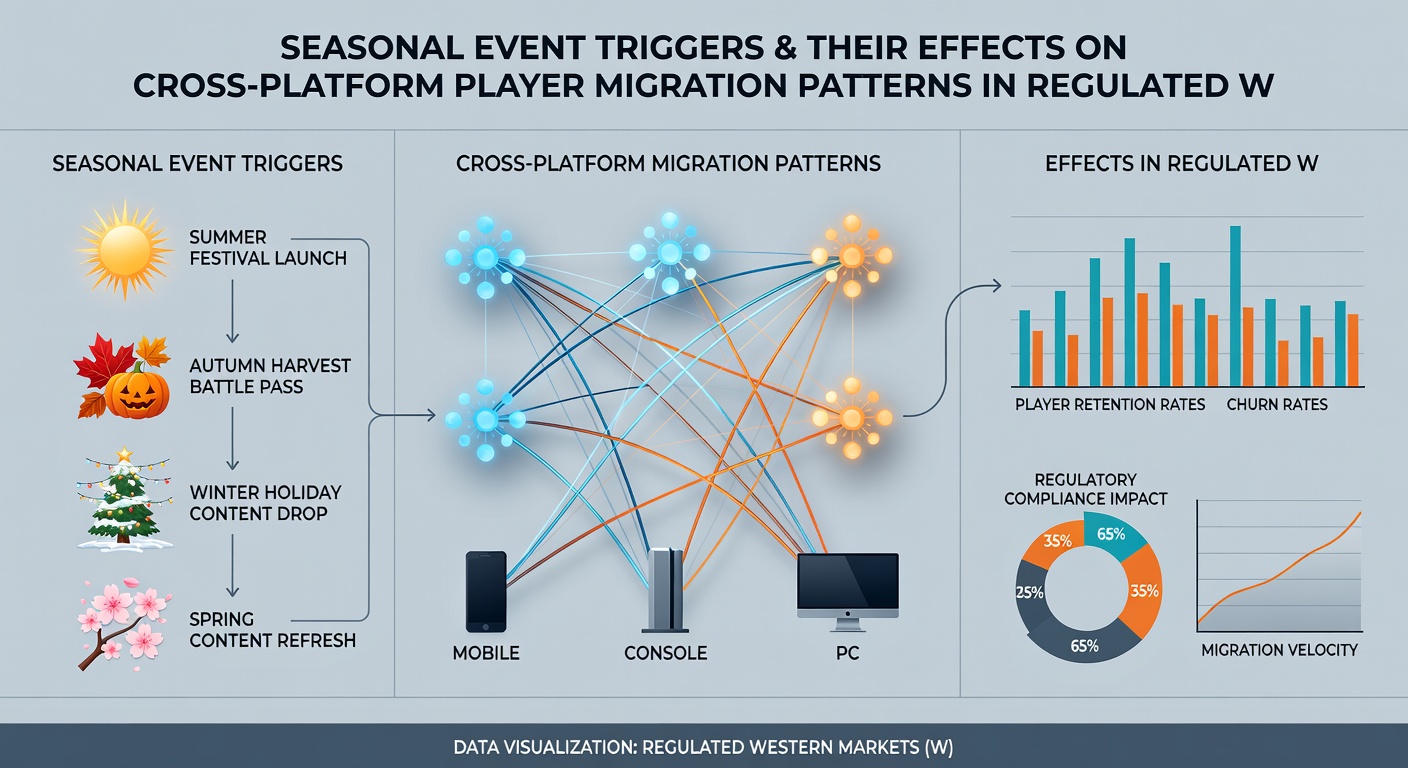
Regulatory bodies in different regions apply distinct rules that interact with seasonal demand. Canadian provincial frameworks, for example, require specific responsible gambling messaging during high-volume periods, which some operators embed directly into seasonal promotions. Australian state regulators track cross-platform activity through mandatory reporting that captures migration volumes tied to events such as the Australian Open or domestic football finals. These reporting requirements provide researchers with granular datasets that reveal which platforms gain or lose share during defined windows.
According to reports from the European Gaming and Betting Association, operators that maintain consistent responsible gambling tools across devices experience lower rates of abrupt account closures when seasonal events conclude. The same reports note that platforms operating under multiple licenses can route users to the jurisdiction with the most favorable current terms, provided all activity remains within approved boundaries.
Patterns Documented Through 2026
Figures compiled through May 2026 show that migration volumes during the first quarter aligned closely with post-holiday bonus cycles and the start of new league seasons. Mobile sessions increased by measurable margins on networks that introduced time-limited deposit matches tied to specific calendar dates, while desktop activity remained steadier on sites emphasizing extended session features such as multi-table tournament options. Researchers tracking these movements emphasize that the patterns reflect user response to availability rather than any single platform characteristic.
One study released by the University of Nevada Reno gaming research center examined account-level data from operators licensed in multiple U.S. states. The analysis found that users who migrated during the March Madness window frequently returned to their original platform once the event ended, unless the new network offered superior ongoing loyalty structures. This temporary migration pattern appeared less frequently during longer seasonal stretches such as summer months, when users showed higher rates of permanent platform switches.
Conclusion
Seasonal event triggers continue to shape how participants distribute activity across regulated wagering networks, with migration patterns reflecting the combined influence of calendar timing, device preferences, and jurisdiction-specific rules. Data collected through mid-2026 demonstrates that platforms maintaining flexible promotional systems and cross-device verification experience more stable retention during these transitions. Continued monitoring by regulatory agencies and research institutions will determine whether these patterns evolve further as technical standards and licensing frameworks expand.