12 Jul 2026
Regional Licensing Variations Shaping Game Availability in Digital Wagering Ecosystems
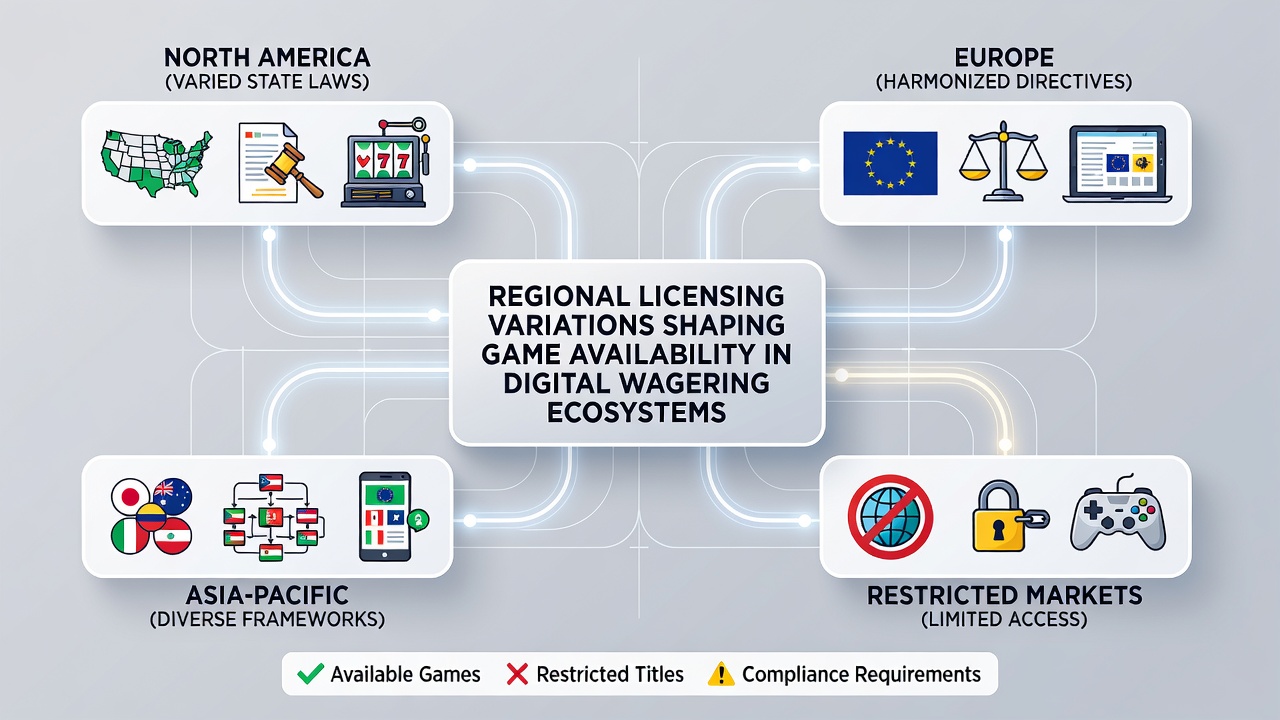
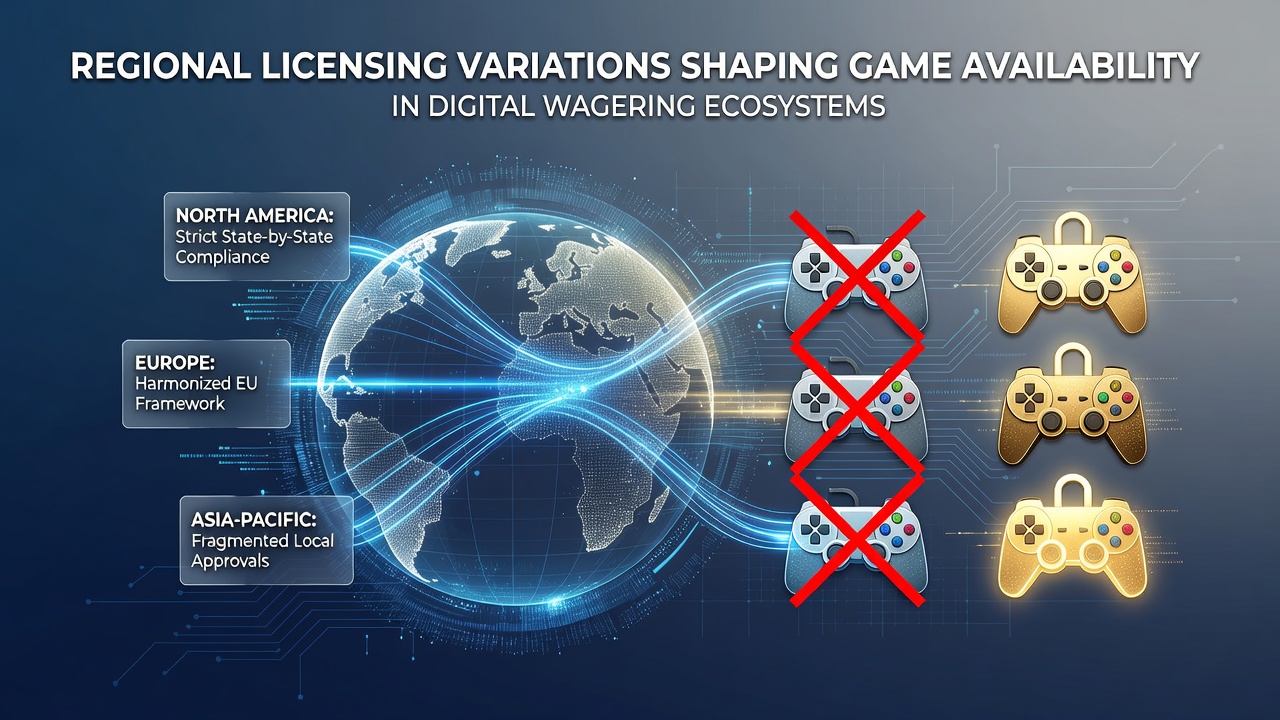 Regional licensing frameworks determine which games operators can offer in digital wagering ecosystems, and these rules differ sharply by jurisdiction. Operators must secure specific approvals before launching slots, table games, sports betting, or live dealer options, which leads to fragmented availability that changes from one area to the next. Data from multiple regulatory sources shows that these variations create distinct product catalogs even within the same platform family. North American markets illustrate the pattern clearly. Individual US states set their own criteria for game types, while Canadian provinces follow separate approval processes that affect online poker rooms and sportsbooks. In July 2026 several states continue to expand their lists of permitted titles following legislative updates, yet neighboring jurisdictions maintain stricter limits on virtual table games and certain progressive jackpot structures.
European Market Fragmentation
European countries apply independent licensing regimes that influence game libraries in distinct ways. Some nations require local server hosting for live dealer streams, which restricts cross-border access to specific titles. Others focus on RNG certification standards that determine whether certain slot mechanics receive approval. These differences mean players in adjacent countries often encounter non-overlapping selections of virtual table games and sports betting markets.Asia-Pacific and Additional Jurisdictions
Asia-Pacific regulators add further layers through tiered approval systems that prioritize particular game categories. Australian state-level rules, for instance, shape the availability of in-play betting features, while other regional bodies emphasize restrictions on skill-based games. Industry reports from the Australian Communications and Media Authority indicate that these policies directly limit which digital wagering products reach local users.