Regional Economic Trends and Their Influence on Player Migration Between Different Digital Gaming Jurisdictions
Written by Yara Walter · Aug 23, 2026
Regional Economic Trends and Their Influence on Player Migration Between Different Digital Gaming Jurisdictions
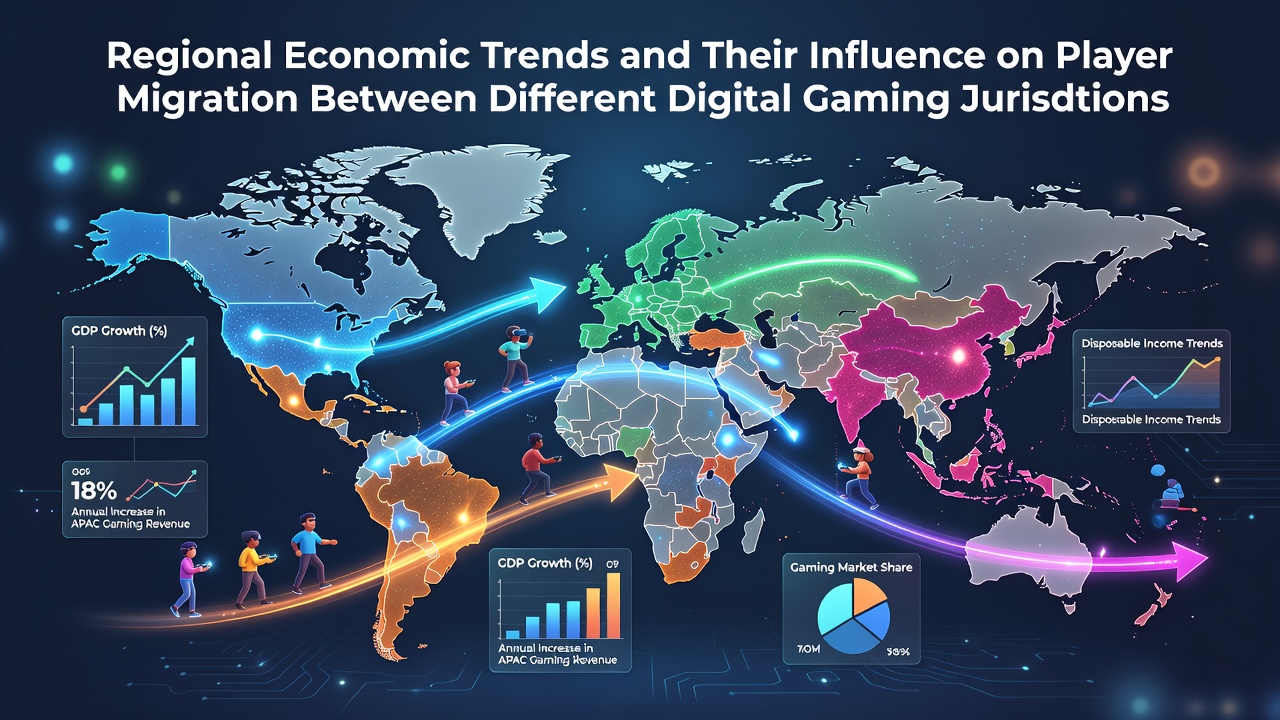
Regional economic conditions continue to shape how players move their activity between digital gaming jurisdictions and currency swings along with inflation rates create measurable shifts in participation levels. Data collected through 2026 shows these patterns emerging across North America, Europe, and parts of Asia where players respond to local economic pressures by seeking platforms in jurisdictions that offer more favorable exchange conditions or lower operational costs.
Currency Movements and Spending Adjustments
Fluctuations in major currencies during the first half of 2026 prompted noticeable changes in deposit volumes from certain regions. When the euro weakened against the US dollar, players from several eurozone countries increased activity on platforms licensed in jurisdictions that process transactions in dollars at more stable rates. Observers note that exchange rate data from central banks correlates directly with these migration patterns because players seek to maximize the value of their funds without additional conversion fees eating into balances.
Meanwhile jurisdictions such as those in parts of the Caribbean maintained steady inflows as their regulatory frameworks allowed operators to offer multi-currency support without frequent adjustments. Figures from industry tracking services reveal that players from high-inflation economies reduced activity on local platforms and shifted toward operators in regions with stronger currency stability during the same period.
Inflation Pressures and Jurisdictional Costs
Inflation rates above five percent in multiple developed markets through mid-2026 led operators in those areas to raise service fees or reduce bonus offerings to maintain margins. Players responded by exploring platforms in jurisdictions where regulatory overhead remained lower and where operators could sustain more competitive payout structures. Research from academic institutions tracking digital commerce indicates that these cost differences drive measurable migration rather than random preference changes.
Take the case of one analysis covering the twelve months ending in August 2026 where data showed increased sign-ups from North American players on platforms based in jurisdictions with lighter tax burdens. Those same players maintained smaller average deposit sizes on home-region platforms while directing larger portions of activity elsewhere. The pattern aligns with broader economic reports that link household discretionary spending reductions to shifts in online entertainment choices.
Emerging Markets and New Player Flows
Economic growth in select Asian and Latin American regions created new sources of player activity that operators in established jurisdictions actively pursued. Rising middle-class incomes in these areas coincided with improved internet penetration and banking infrastructure that made cross-border transactions more reliable. Industry reports document how players from these growth markets initially concentrated activity in jurisdictions known for established player protection frameworks before branching out to newer licensing regions offering localized payment options.
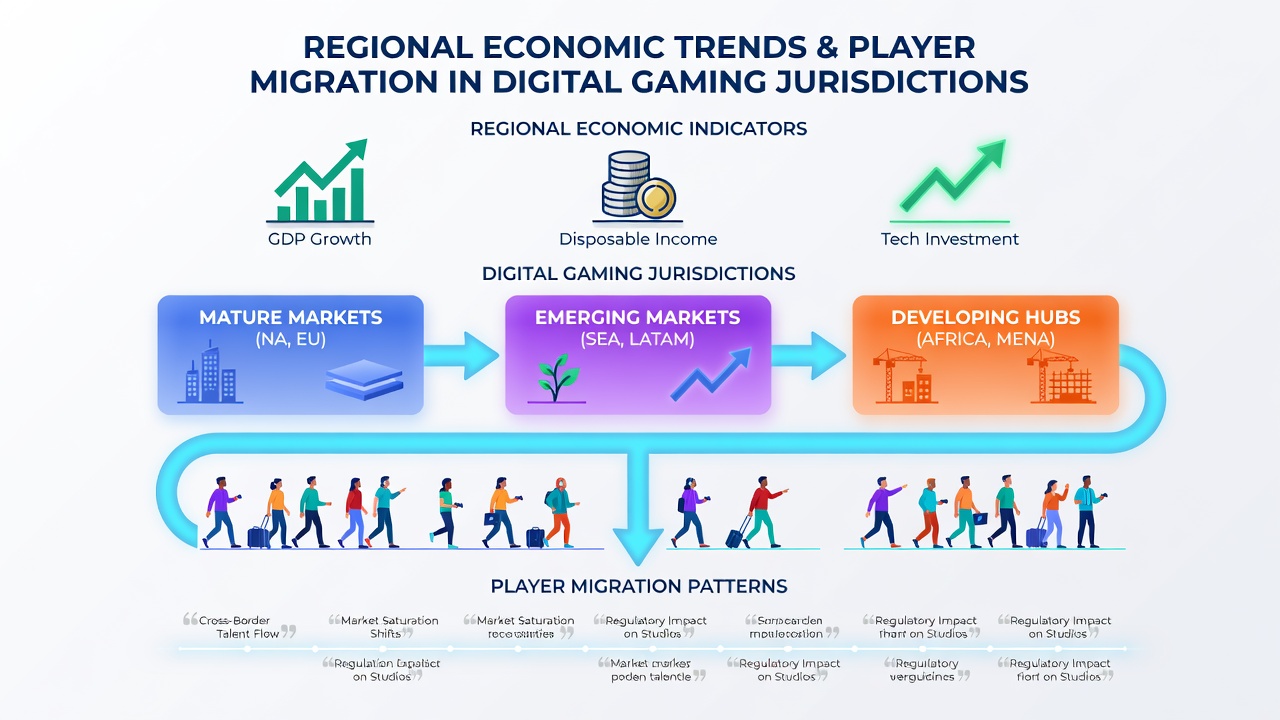
Yet operators in smaller European jurisdictions reported steady inflows from these emerging markets during the summer of 2026 as economic expansion there continued. Data compiled by research groups shows that players often test multiple jurisdictions before settling on those that combine favorable economic conditions with reliable transaction processing.
Regulatory Overlap With Economic Factors
Changes in tax policies within certain jurisdictions intersected with broader economic trends and produced combined effects on player movement. When one licensing region introduced higher compliance costs in early 2026, operators adjusted their offerings while players compared those changes against conditions in neighboring jurisdictions. According to statistics released by the New Jersey Division of Gaming Enforcement, cross-border activity increased during periods when local economic indicators such as employment rates and consumer confidence dipped simultaneously with regulatory adjustments.
Similar dynamics appeared in reports from the Australian Communications and Media Authority where economic slowdown signals prompted measurable increases in player exploration of international options. These movements occurred even as overall participation volumes remained stable suggesting redistribution rather than expansion or contraction of the player base as a whole.
Tracking Migration Through Transaction Data
Payment processor records provide one of the clearest windows into these shifts because they capture both origin and destination jurisdictions for each transaction. Analysis of aggregated data from the first eight months of 2026 shows clusters of activity moving from regions experiencing currency depreciation toward those maintaining more consistent valuation. Researchers at the University of Nevada, Las Vegas have examined these patterns and found correlations between macroeconomic indicators and the timing of jurisdiction switches among regular players.
Operators respond to these trends by expanding their licensing footprints and adjusting marketing approaches to highlight economic advantages available in specific regions. The result appears in increased multi-jurisdictional presence among larger platforms that seek to capture activity regardless of where players originate.
Conclusion
Economic conditions across regions continue to influence how players distribute their activity among digital gaming jurisdictions and the patterns observed through August 2026 reflect ongoing responses to currency movements, inflation, and regulatory cost differences. Transaction data and participation records demonstrate these connections without requiring subjective interpretation. As economic indicators evolve, further redistribution of player activity across jurisdictions remains likely based on the same measurable factors already documented in available records.