Regional Compliance Frameworks and Their Impact on Progressive Jackpot Distributions in Multi-State Casino Networks
Written by Gisela Hughes · Jul 26, 2026
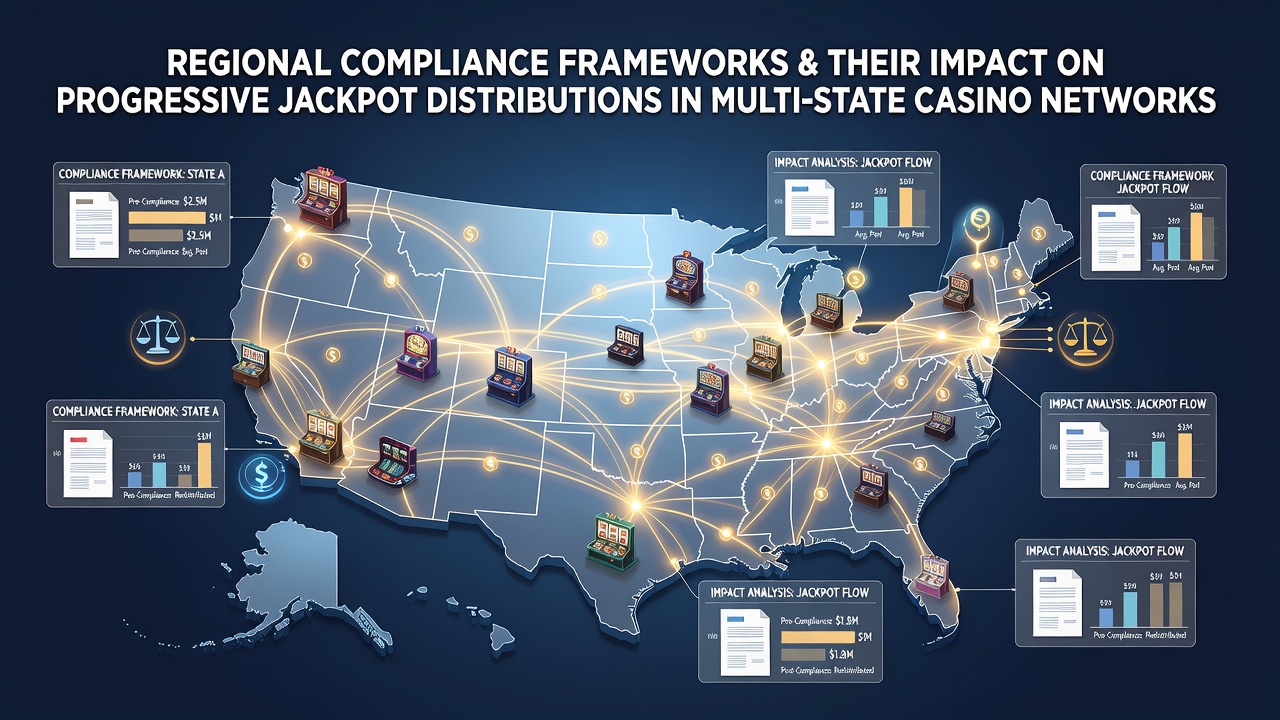
Regional Compliance Frameworks and Their Impact on Progressive Jackpot Distributions in Multi-State Casino Networks
Regional compliance frameworks shape how progressive jackpot pools form and pay out across state lines in casino networks, with each jurisdiction imposing distinct rules on contribution rates, eligibility verification, and fund segregation that operators must reconcile before any distribution occurs. These frameworks emerged from layered regulatory environments where states maintain separate licensing boards while networks attempt to synchronize contributions from slot machines and table games spanning multiple territories.
Core Elements of Regional Compliance Structures
States enforce contribution percentages that range from 1 to 3 percent of coin-in on linked machines, yet variations in tax treatment and reserve requirements create friction when networks attempt to merge pools. For instance, one jurisdiction may mandate that 20 percent of the pool sits in a state-controlled escrow account while another requires only quarterly reporting without segregated reserves, forcing network operators to maintain parallel accounting ledgers that reconcile at the end of each reporting cycle.
Data from 2025 showed that networks operating across three or more states processed an average of 14 separate compliance filings monthly to maintain progressive linkages, according to statistics compiled by the American Gaming Association. Those filings cover everything from player age verification protocols to cross-border fund transfer authorizations that regulators review before any jackpot reaches seven figures.
Effects on Jackpot Pool Formation and Payout Timing
Progressive distributions slow when one participating state introduces new audit triggers or changes its definition of qualified wagers, because networks must pause contributions from machines in that jurisdiction until updated software receives approval. Observers note that synchronization delays averaged 11 days during the first half of 2026 when three Midwestern states simultaneously updated their electronic gaming device standards.
Multi-state networks therefore build buffer mechanisms that isolate regional contributions until all participating regulators sign off on pool integrity. This approach prevents premature payouts yet extends the time between jackpot triggers and actual player disbursements, especially when one state's legal team requires additional documentation on machine certification that other states do not demand.
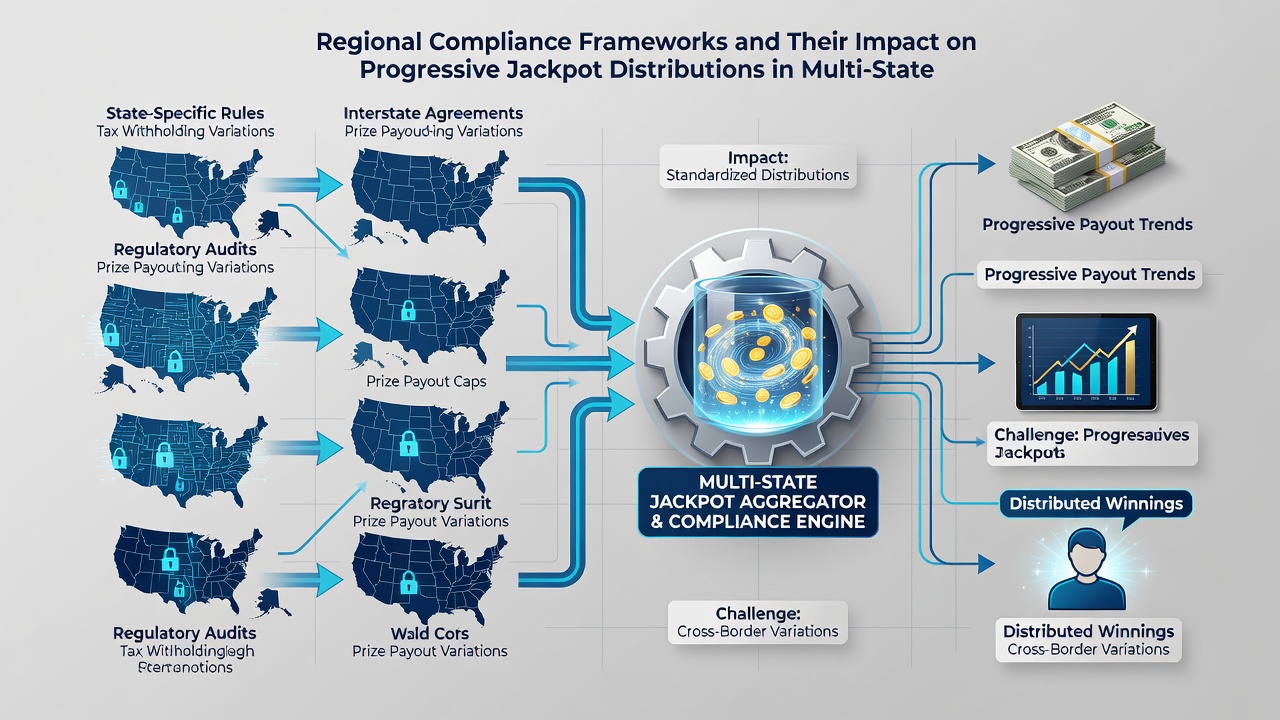
Research from the University of Nevada's gaming management program indicates that networks with centralized compliance teams cleared 92 percent of cross-state jackpot approvals within 48 hours during July 2026, while those relying on fragmented state-by-state review teams averaged 76 hours. The difference stems from standardized documentation templates that some networks developed to satisfy overlapping yet non-identical regulatory checklists.
Tax Withholding and Fund Allocation Variations
Tax treatment creates another layer of complexity because some states withhold winnings at the point of distribution while others treat the jackpot as taxable income reported by the player after receipt. Networks must therefore program their systems to apply the strictest withholding rule across the entire pool or risk underpayment penalties in the more stringent jurisdiction.
Figures from the National Association of State and Provincial Lotteries reveal that multi-state progressive systems withheld an average of 28 percent of jackpots exceeding $1 million during the 2025 fiscal year, with the remaining balance distributed after state and federal reconciliation. Operators adjust contribution formulas monthly to account for these withholding differentials so that the advertised jackpot amount remains consistent across advertising platforms in every participating state.
Case Examples from Established Networks
One network linking casinos in Nevada, New Jersey, and Pennsylvania adjusted its progressive contribution rate three times between January and July 2026 after each state issued updated guidance on reserve fund calculations. The adjustments kept the total pool solvent yet reduced the growth rate of the advertised jackpot by 0.4 percent during that period. Regulators in each state reviewed the revised formulas independently before granting continued approval for linkage.
Another network operating in the Midwest encountered a temporary suspension when one state's gaming board questioned whether video poker machines qualified for the same progressive pool as reel slots. The suspension lasted nine days while engineers isolated contributions and regulators examined machine classification documents. During the pause, the network redirected contributions from the affected machines into a separate single-state progressive that later merged back into the larger pool once approval arrived.
Future Adjustments and Regulatory Coordination
Industry groups have begun advocating for model legislation that would standardize certain compliance elements such as minimum reserve percentages and electronic filing formats, yet adoption remains uneven across states. As of July 2026, only four states had incorporated elements of the proposed model into their administrative codes, leaving most networks to continue managing multiple overlapping rule sets.
Those who've studied these frameworks observe that networks investing in unified compliance platforms experience fewer distribution interruptions than those maintaining separate teams for each jurisdiction. The platforms track regulatory changes in real time and flag contribution rate mismatches before they affect pool calculations, reducing the frequency of manual reconciliations that previously delayed payouts.
Conclusion
Regional compliance frameworks continue to define the operational boundaries within which multi-state progressive jackpot networks function, requiring operators to balance contribution synchronization against jurisdiction-specific mandates on reserves, taxes, and verification. Networks that adapt their systems to accommodate these variations maintain continuous linkages while those unable to reconcile differences face temporary suspensions that slow jackpot growth. Data collected through 2026 indicates that coordination efforts among regulators and operators remain the primary factor determining distribution speed and pool stability across state lines.