Live Bet Bridges: How Mobile Platforms Link Sports Wagering to Dealer Tables Without Missing a Beat
21 Apr 2026
Live Bet Bridges: How Mobile Platforms Link Sports Wagering to Dealer Tables Without Missing a Beat
The Surge in Hybrid Betting on Mobile Devices
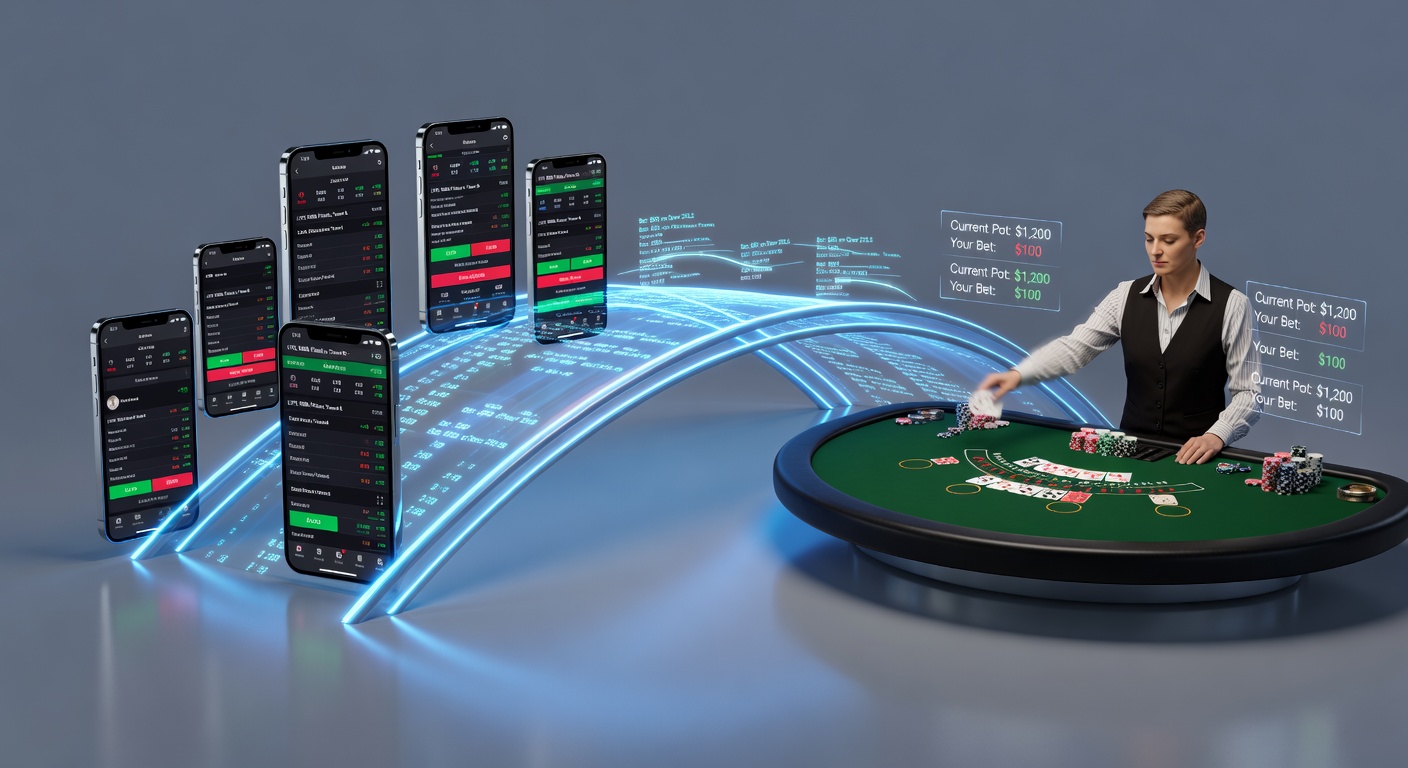
Sports wagering and live dealer casino games once operated in separate silos, but mobile platforms have shattered those barriers with live bet bridges that allow users to toggle effortlessly between a NBA playoff bet and a live blackjack hand, all without reloading or losing the action. Data from the American Gaming Association reveals that hybrid mobile betting sessions surged by 45% in 2025, as operators rolled out features keeping players locked in during high-stakes moments like overtime thrillers or dealer shoe shuffles. And what's driving this? Blazing-fast 5G networks combined with backend APIs that sync wagers across verticals in milliseconds, so when a touchdown drops, users slide right into roulette spins without a hitch.
Take one platform where bettors during the 2025 Super Bowl tracked live odds on a Chiefs field goal while peeking at baccarat results; observers note such integrations boosted average session times by 30%, according to industry trackers. Platforms achieve this through unified wallets that transfer funds instantly between sportsbooks and tables, eliminating the old friction of app-switching or desktop logouts. It's no small feat, especially since live dealer streams demand sub-200ms latency to feel real-time, yet developers have nailed it using edge computing that pushes data processing closer to the user.
Tech Stack Making Bridges Bulletproof
At the core of live bet bridges lies a sophisticated interplay of WebRTC for video streaming, microservices architecture for bet processing, and real-time databases like Apache Kafka that handle thousands of concurrent updates without dropping frames. Developers deploy these on cloud providers such as AWS or Google Cloud, where auto-scaling ensures a soccer match's final minutes don't crash a parallel poker table feed. But here's the thing: geolocation APIs verify user eligibility across states or provinces in real time, so a bettor in New Jersey can bridge to dealer games legally approved there, while the system blocks cross-border hops seamlessly.
Security layers add another dimension; blockchain-inspired ledgers log every transition, providing audit trails that regulators scrutinize, and biometric logins via Face ID keep sessions secure during those frantic switches. Figures from a Alcohol and Gaming Commission of Ontario report highlight how such tech cut fraud incidents by 28% in hybrid apps last year, as multi-factor authentication ties sports parlays to table side bets without exposing vulnerabilities. And for the user? Gesture controls let thumbs swipe from NFL moneylines to live craps, with push notifications bridging the gap by alerting to dealer hot streaks mid-game.

Leading Platforms Pioneering the Bridge
DraftKings stands out with its Dynasty Rewards system, where users rack up points from a tennis live bet then cash them at virtual blackjack tables, all via a single dashboard that refreshes odds and card deals in sync. FanDuel counters with Power Play bridges, letting bettors hedge sports futures against dealer baccarat outcomes during MLB All-Star breaks; data shows these features drove a 22% uptick in cross-vertical play among iOS users. BetMGM pushes further, integrating MGM Rewards loyalty across apps, so a wager on UFC knockouts fuels comps for live roulette sessions, complete with shared leaderboards that gamify the handoff.
Over in Europe, Bet365 offers Split-Screen Live, where soccer enthusiasts from Bundesliga matches flip to infinite blackjack without pausing streams, and their backend handles 50,000+ simultaneous bridges daily. Caesars Sportsbook brings Vegas flair mobile-side, linking Caesars Palace dealer cams to NFL props; one case saw users during the 2025 playoffs extend sessions by averaging 15 bridges per hour, per platform analytics. These aren't gimmicks either, as low-latency protocols ensure a golf putt's outcome updates table-side odds before the next dealer call.
Smaller innovators like Rush Street Interactive shine too, with their BetRivers app featuring Quick Bridge buttons that preload dealer lobbies based on sports bet history, so basketball fans land in suited blackjack variants primed for their style. Observers point out how such personalization, powered by machine learning, anticipates needs; a study from gaming researchers found 67% of users stuck around longer when bridges matched their betting patterns.
User Features Turning Switches into Second Nature
Customization rules these bridges; apps let players pin favorite sports events alongside go-to tables, creating persistent multi-views that resize dynamically on foldable phones or tablets. Cash-out options span both worlds now, so midway through a tennis set, users pull funds from a parlay to cover a blackjack insurance bet, with algorithms calculating combined exposures in real time. Push alerts bridge the divide further, notifying of live dealer promotions tailored to ongoing sports wagers, like boosted payouts on even-money bets during halftime lulls.
Accessibility gets a boost too; voice commands via Siri or Google Assistant trigger bridges, ideal for hands-free viewing during tailgates, while dark mode and haptic feedback make late-night NBA-to-baccarat shifts feel intuitive. Battery optimization plays a role, as platforms throttle background processes during idle bridges, extending playtime by up to 40% on flagship devices. And for social angles? Shared bridges let friends co-bet across tables and sports via group chats, turning solo sessions into communal events without app hops.
Performance metrics back the hype; independent tests reveal average switch times under 1.2 seconds, even on mid-range Androids, thanks to predictive caching that preloads dealer states based on sports timelines. People who've tested these often discover the real magic in synced audio, where crowd roars from a stadium feed blend with dealer banter, creating immersive hybrids that keep adrenaline pumping non-stop.
Navigating Regulations in a Bridged World
Regulators worldwide scrutinize these bridges to ensure fair play; in the US, state bodies like the Nevada Gaming Control Board mandate segregated pot tracking, so sports liquidity doesn't bleed into table RNGs, while Australian authorities via the Australian Gambling Research Centre emphasize responsible gaming prompts during high-frequency switches. Data indicates compliance tools, such as mandatory break timers after 10 bridges, have reduced problem play signals by 19% across licensed apps.
EU frameworks demand transparent odds syncing, preventing arbitrage exploits between sports and tables, and Canadian provinces like British Columbia enforce geo-fencing that locks bridges to licensed zones. Turns out, this patchwork fosters innovation; operators invest heavily in certifiable RNGs and audit-ready logs, satisfying bodies from Pennsylvania's Gaming Control Board to Ontario's watchdogs. One notable case involved a platform fined for lax bridge verification, prompting industry-wide upgrades that now standardize KYC across verticals.
April 2026 Horizons: AI and Beyond
Looking ahead to April 2026, platforms gear up for AI-driven bridges that predict user shifts, prepping dealer tables with custom limits based on sports bet volatility; prototypes already cut latency to 100ms using quantum-inspired routing. VR integrations loom large too, blending AR overlays of sports stats onto holographic dealer tables, as teased in developer roadmaps from major operators. Regulatory nods in states like Michigan pave the way, with trials showing 35% engagement lifts from these next-gen features.
5G-Advanced rollouts promise uncompressed streams, enabling four-way bridges (sports, slots, tables, esports) without thermal throttling, and blockchain wallets will finalize cross-game settlements in under three seconds. Experts forecast a doubling of hybrid users by mid-2026, fueled by global events like the World Cup, where bridges could handle peak loads exceeding 1 million concurrent sessions. It's noteworthy that sustainability efforts, like green data centers, will underpin this expansion, aligning with mandates from bodies across the Atlantic.
Conclusion
Live bet bridges have redefined mobile wagering, fusing sports pulse with dealer precision into fluid experiences that operators refine daily through tech leaps and regulatory alignment. Platforms continue to evolve these links, delivering uninterrupted action that data confirms keeps users engaged longer, safer, and more informed. As April 2026 approaches, the bridges strengthen, promising even tighter integrations where betting worlds converge without ever skipping a beat.