How Peak Usage Cycles in Regulated Markets Shape Fund Transfer Patterns Across Device-Linked Poker and Sports Platforms
Written by Gisela Hughes · Jul 31, 2026
How Peak Usage Cycles in Regulated Markets Shape Fund Transfer Patterns Across Device-Linked Poker and Sports Platforms
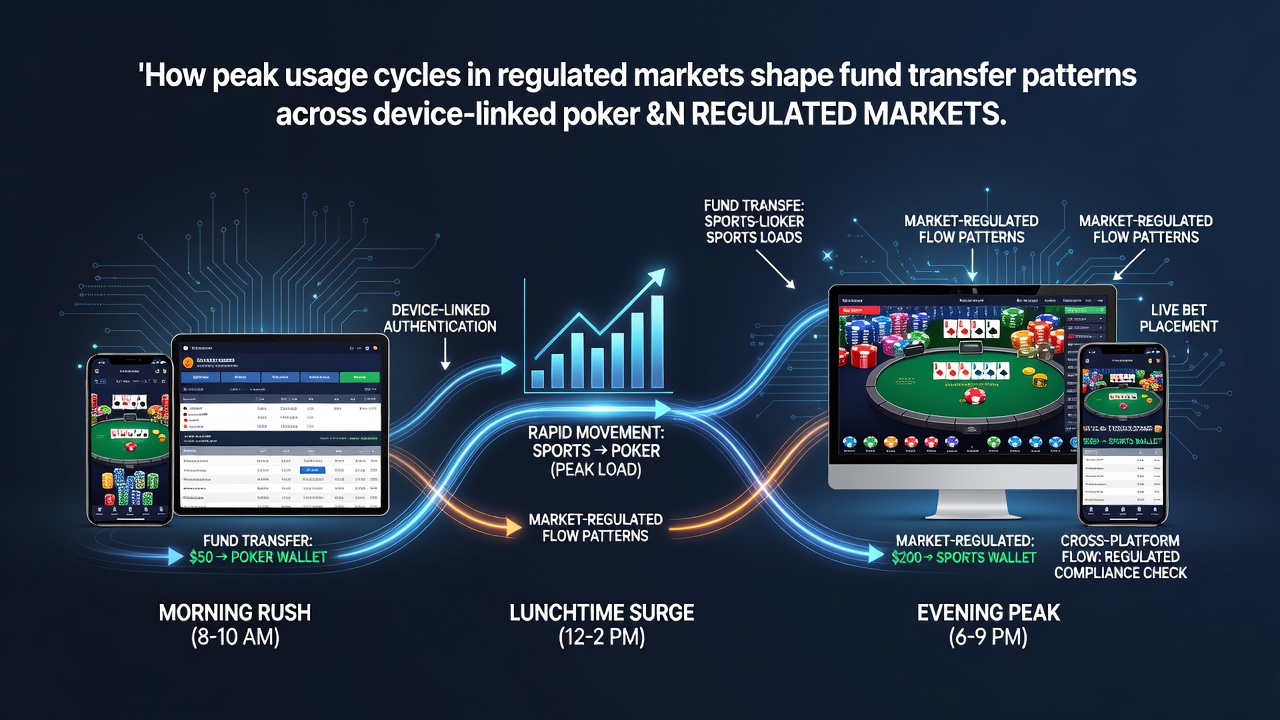
Peak usage cycles in regulated markets follow predictable rhythms tied to major sporting events, tournament schedules, and seasonal patterns that drive concentrated activity across device-linked poker and sports platforms, and these surges directly influence how funds move between user accounts, payment processors, and operator ledgers. Data from multiple jurisdictions shows deposit volumes spike during evening hours in North American markets while withdrawal requests cluster in early morning windows after major events conclude, creating distinct pressure points for transaction processing systems.
Market Cycles and Transaction Timing
Regulated operators in states like New Jersey and Pennsylvania track these cycles through aggregated transaction logs that reveal consistent patterns where sports betting deposits accelerate 90 to 120 minutes before kickoff on high-profile games, whereas poker platforms experience steadier but elevated deposit flows during multi-table tournament registration periods that often overlap with weekend evenings. According to reports from the Nevada Gaming Control Board, average transaction sizes during peak windows run 25 to 40 percent higher than baseline periods, with credit card and e-wallet deposits dominating the inflow while bank transfers and cryptocurrency options handle a larger share of outflows once events end.
Device linkage adds another layer because users frequently initiate deposits on mobile devices during commutes or breaks yet complete withdrawals on desktop platforms once they return home, and this cross-device behavior creates reconciliation challenges for operators who must synchronize authorization tokens and security checks across different operating systems. Research from Canadian provincial regulators indicates that sessions spanning multiple devices during peak cycles show a 15 percent increase in failed transaction attempts compared to single-device flows, often due to session timeouts or mismatched verification protocols.
Payment Rail Responses During High Volume
Payment processors adjust their internal routing rules when volume thresholds are crossed, shifting some transactions to secondary rails or applying additional fraud scoring that can delay settlement by several minutes, and these adjustments become most visible in sports platforms where live betting generates rapid, repeated micro-transactions that accumulate quickly during the final quarters of close games. Poker sites, by contrast, see larger but less frequent movements tied to tournament buy-ins and cash game reloads that align with scheduled start times rather than in-game developments.
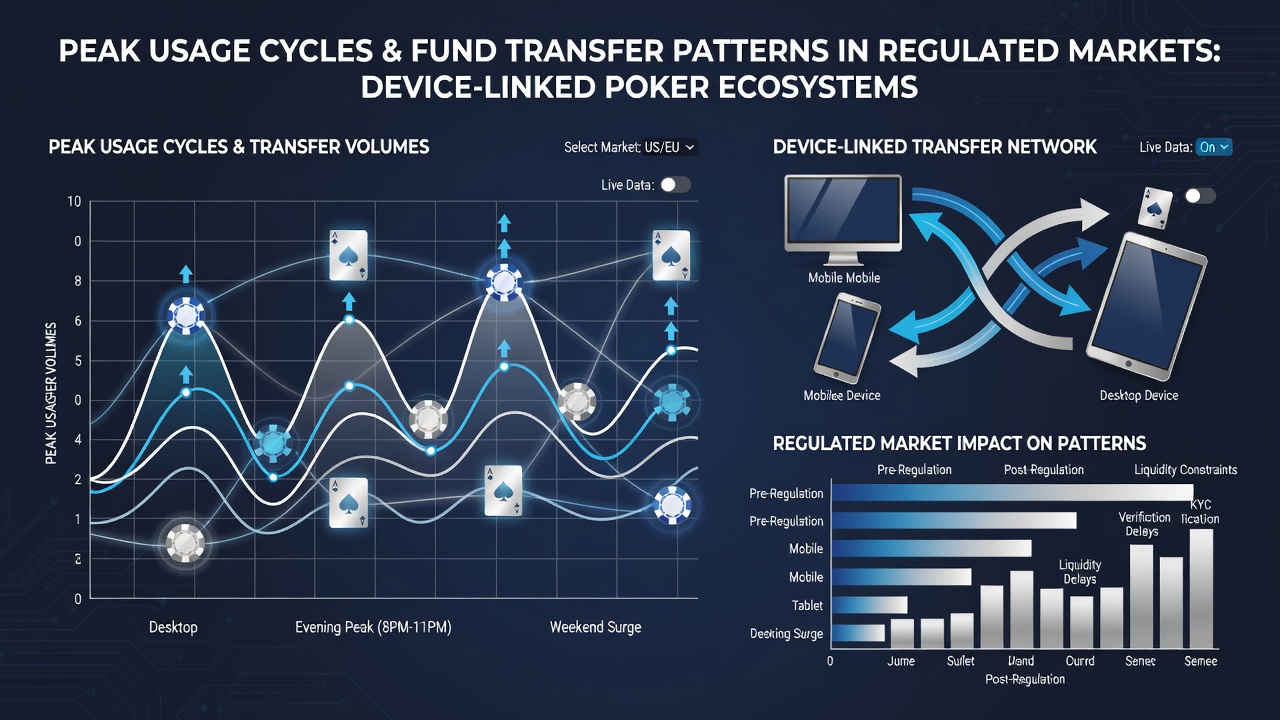
Operators respond by pre-funding liquidity pools at partner banks and e-wallet providers in anticipation of known high-traffic dates, a practice documented in industry analyses from the European Gaming and Betting Association that examined cross-border platform data from multiple EU member states. Those preparations reduce average processing times even when daily volumes double or triple normal levels, though they also increase operational costs that operators absorb rather than pass along during the busiest windows.
Regional Regulatory Influences
Different regulatory frameworks impose varying reporting requirements that further shape fund movement timing, with some jurisdictions mandating real-time transaction monitoring during peak periods while others require end-of-day reconciliation only. In Australian markets, for instance, state-level rules require enhanced verification for transfers exceeding certain thresholds, and operators have adapted by prompting users for additional documentation during registration windows rather than at the moment of deposit to avoid friction during high-traffic hours. July 2026 data from several integrated platforms shows that these preemptive steps reduced verification-related delays by roughly 30 percent compared to the same month in prior years.
Device-linked ecosystems also face unique constraints because biometric authentication and token-based logins must remain valid across sessions that may span hours or days, and any interruption during a peak cycle can force users to reauthenticate at the exact moment they intend to move funds. Studies compiled by academic researchers at the University of Nevada, Reno have examined how these authentication friction points correlate with abandoned transactions, finding that users who switch devices mid-session abandon withdrawals at nearly twice the rate of those who stay on a single platform.
Conclusion
Peak usage cycles in regulated markets continue to dictate the tempo and volume of fund transfers across device-linked poker and sports platforms through a combination of predictable event-driven demand, processor-level routing adjustments, and jurisdiction-specific compliance overlays. Operators that map these cycles against historical transaction data and maintain flexible liquidity arrangements demonstrate more stable processing performance even when activity levels rise sharply. As platform architectures evolve to handle simultaneous mobile, tablet, and desktop activity, the relationship between usage peaks and fund movement patterns remains a central operational focus for platforms operating under regulatory oversight.