Exploring Interconnections Between Time Zone Variations and Participation Rates in Global Online Poker Tournaments
Written by Yves Simon · Jun 5, 2026
Exploring Interconnections Between Time Zone Variations and Participation Rates in Global Online Poker Tournaments
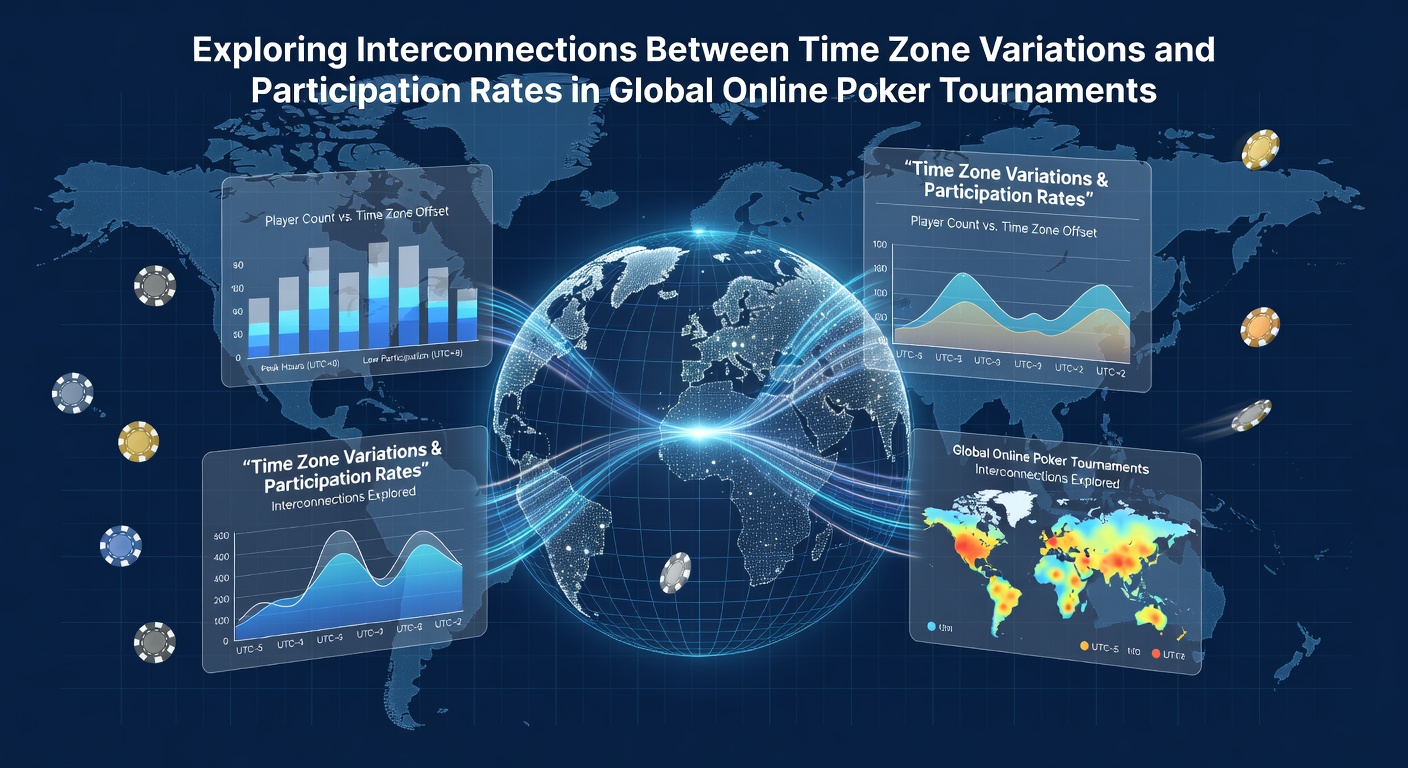
Online poker tournaments operate on standardized schedules that often align with Coordinated Universal Time while players log in from locations spanning multiple continents and dozens of distinct time zones. Data from major platforms indicates that participation rates fluctuate based on how these fixed start times translate into local hours for different user bases. Researchers tracking global events have documented consistent patterns where evening local times correlate with higher registration volumes in specific regions while early morning slots show reduced activity across the board.
Core Mechanisms Linking Time Zones to Player Availability
Tournament organizers typically anchor start times to UTC or prominent financial centers such as London or New York yet individual participants experience those moments differently depending on their longitude. A player in Sydney faces a late-night start when the same event begins during afternoon hours for someone in Los Angeles and this mismatch affects decisions about sleep schedules work commitments and family responsibilities. Platforms record entry timestamps alongside account location data allowing analysts to map participation density against time zone offsets with precision. Studies compiled by academic groups at institutions including the University of Nevada Reno have examined these datasets and found measurable drops in active users when events fall outside typical leisure windows in high-density player markets.
Regional Participation Trends and Supporting Evidence
European players often show peak engagement during early evening slots that align with post-work relaxation periods while North American users demonstrate stronger turnout when events coincide with weekend afternoons or weekday evenings in Eastern and Pacific zones. Australian and Asian markets display elevated activity during their respective evening hours which can shift global tournaments into overnight periods for Western participants. Figures released through industry monitoring services reveal that events scheduled between 18:00 and 22:00 UTC attract broader cross-regional entries compared with those set for 02:00 to 06:00 UTC where participation narrows primarily to users in compatible zones. In June 2026 several major series adjusted portions of their calendars to test staggered start times and preliminary logs showed incremental gains in total unique entrants from underrepresented regions without diluting numbers from core markets.
Quantitative Patterns Observed in Tournament Data
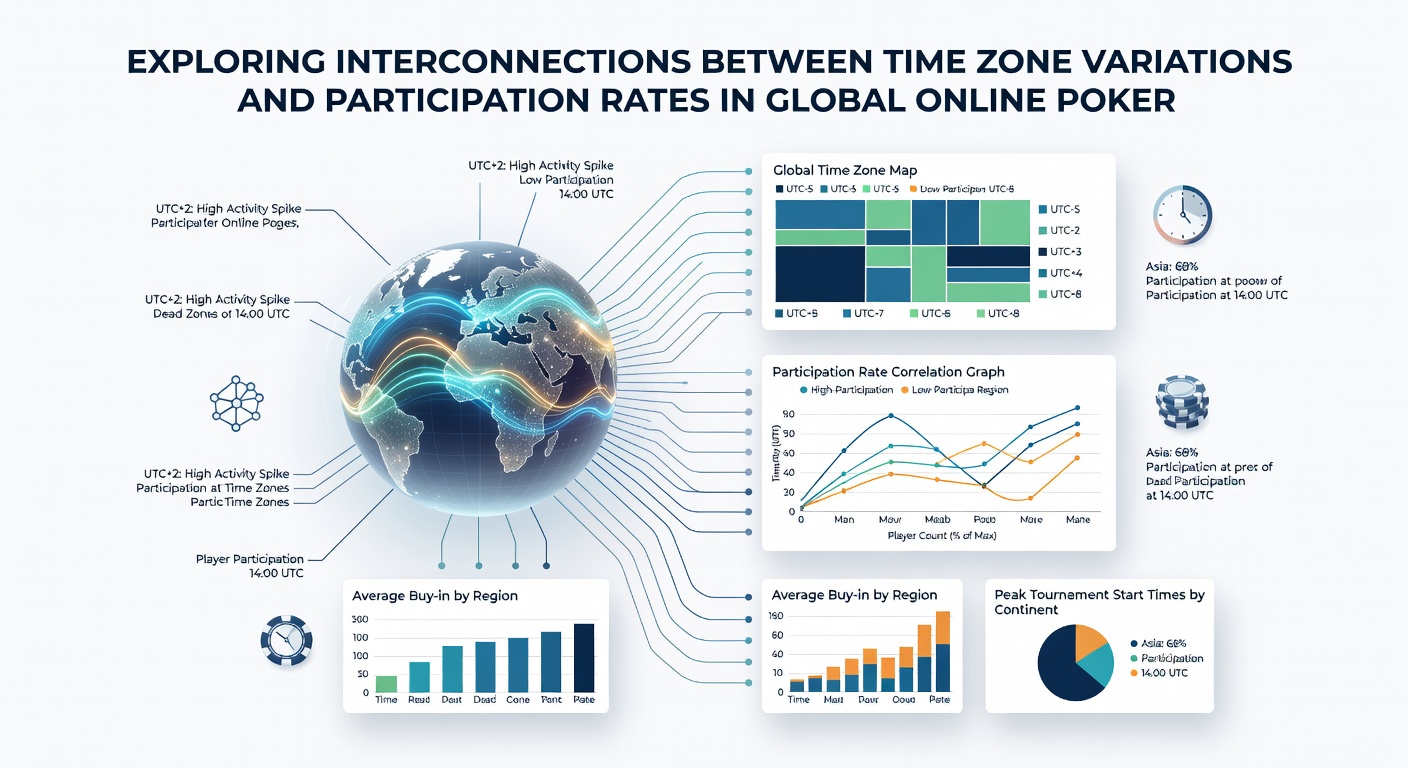
Platform operators compile hourly registration statistics that researchers cross-reference with publicly available time zone databases to quantify effects. One analysis covering twelve months of multi-table tournaments found that each hour deviation from a region's optimal evening window reduced expected entries by approximately 12 to 18 percent on average. These calculations account for variables including daylight saving transitions and cultural differences in daily routines yet the underlying correlation between local time and participation remains stable across datasets. Observers note that simultaneous events running at staggered offsets allow players to select sessions matching their schedules and this flexibility appears to sustain overall volume even when single events face time-related constraints.
Adjustments by Operators and Player Responses
Operators have introduced features such as time zone converters within lobby interfaces and personalized schedule notifications that translate UTC starts into local equivalents automatically. Players in turn develop routines around recurring series adjusting sleep or meal times when high-value events fall outside preferred windows. Regulatory documentation from bodies including the Nevada Gaming Control Board and reports issued by the European Gaming and Betting Association reference aggregate traffic metrics that organizers use when planning calendars though individual user behavior remains influenced by personal circumstances. During periods of major international events such as those spanning June 2026 these tools helped distribute entries more evenly across time zones according to internal platform summaries.
Broader Implications for Global Event Structures
The interplay between time zone positioning and participation extends beyond single tournaments to season-long leaderboards and satellite qualification paths. Events anchored exclusively to one primary market's clock risk lower diversity in final tables while balanced scheduling supports wider geographic representation. Data aggregation services tracking thousands of daily tournaments continue to refine models that predict entry volumes based on projected local times for major player pools. These models incorporate variables such as weekend versus weekday effects and holiday periods yet time zone alignment consistently emerges as a primary driver in regression outputs.
Conclusion
Time zone variations shape participation rates in global online poker tournaments through direct effects on local availability and secondary influences on player routines. Platform data and academic examinations confirm measurable relationships between start times and registration volumes across regions. Operators respond with scheduling adjustments and interface tools that help mitigate mismatches while players adapt through selective event choices. Continued monitoring through June 2026 and beyond will provide further clarity on how evolving calendars interact with worldwide time zone distributions.