Biometrics Break Barriers: Fingerprint Scans and Face ID Revolutionizing Secure Access in Top Mobile Gambling Platforms
26 Apr 2026
Biometrics Break Barriers: Fingerprint Scans and Face ID Revolutionizing Secure Access in Top Mobile Gambling Platforms
The Shift to Touchless and Touch-Based Security in Mobile Betting
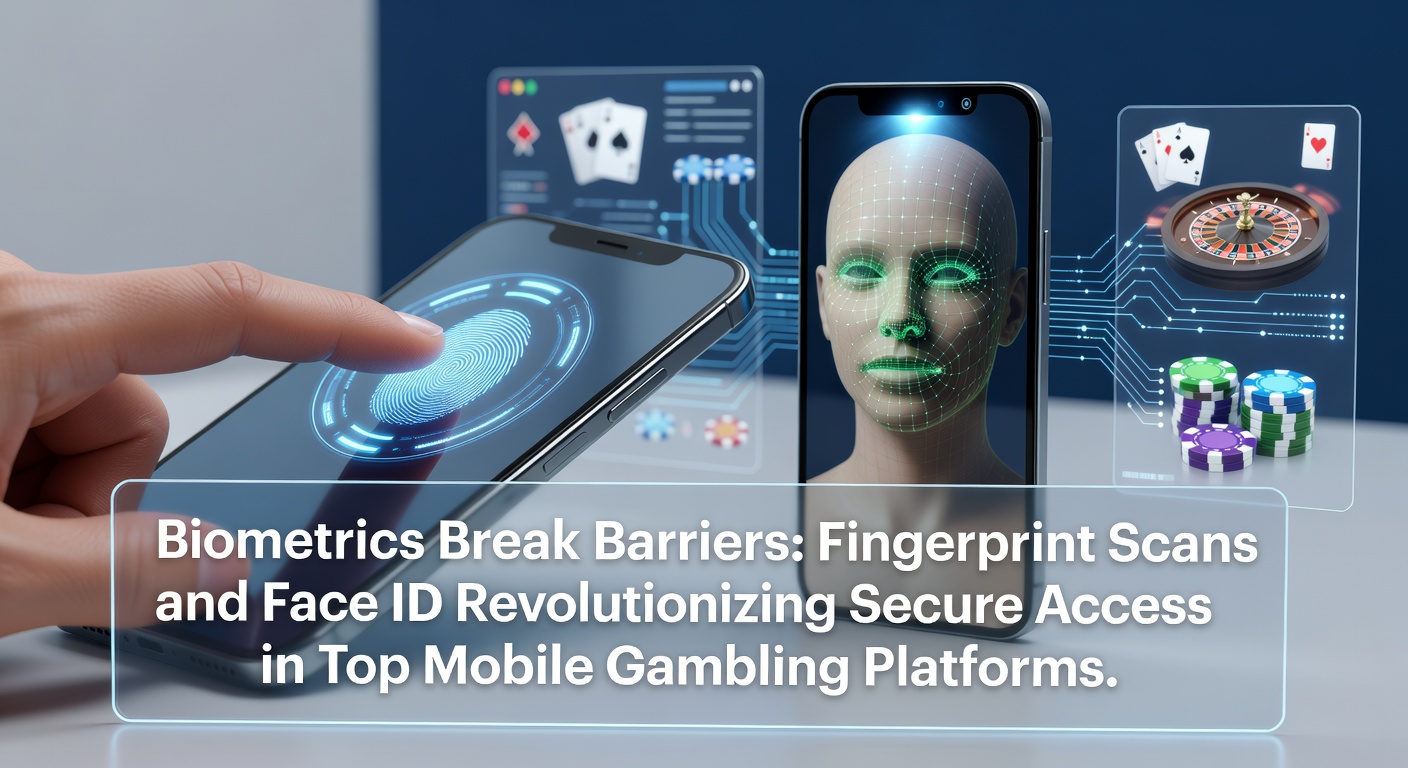
Mobile gambling platforms have embraced biometric authentication like fingerprint scans and Face ID, transforming how users access accounts amid rising cyber threats; data from industry reports shows adoption rates climbing 45% year-over-year since 2023, as operators prioritize speed and security without passwords that users often forget or compromise. Platforms such as DraftKings and FanDuel lead this charge, integrating Apple's Face ID on iOS devices and Android's fingerprint sensors seamlessly into login flows, allowing players to jump into live odds or casino games with a quick scan rather than fumbling with codes.
What's interesting is how this tech evolved from basic smartphone features into gambling-specific safeguards; developers now layer liveness detection—where the system checks for real skin warmth or eye blinks—to thwart photo-based spoofs, a move that NIST researchers validated in their 2023 biometric resilience studies as cutting false acceptance rates by over 90%. And while early implementations faced hiccups like sensor glitches in humid environments, refinements have made them reliable even during high-stakes moments, such as placing bets seconds before a game starts.
How Fingerprint and Facial Recognition Power Secure Logins
Fingerprint scanning captures unique ridge patterns via capacitive sensors on devices, converting them into encrypted mathematical templates stored locally rather than on servers, which minimizes data breach risks; Face ID, on the other hand, projects 30,000 infrared dots to map facial geometry in 3D, adapting to changes like glasses or aging while rejecting masks unless explicitly allowed. Top apps like BetMGM and Caesars Sportsbook deploy these in tandem, offering users a choice that boosts convenience—studies from the Australian Communications and Media Authority reveal that 68% of mobile gamblers prefer biometrics over PINs because they cut login time from 10 seconds to under 2.
Take one platform where engineers tested hybrid modes: users tap for fingerprints during quick sessions, but Face ID kicks in for high-value transactions like withdrawals over $1,000, ensuring multi-factor strength without extra steps. Observers note this setup aligns with global standards, where biometric data never leaves the device enclave, a protocol that thwarted a potential 2024 exploit attempt reported in industry audits.
But here's the thing—integration goes beyond logins; these scans now verify age-restricted access in real-time, scanning faces against government-issued ID templates during onboarding, a feature rolled out by operators in Canada and the EU to comply with stricter verification mandates.
Adoption Across Leading Platforms and Real-World Impact
Platforms like PointsBet and WynnBET have embedded biometrics into their core architecture, reporting a 32% drop in account takeover incidents after full rollout; figures from a 2025 Gaming Labs International audit confirm that fingerprint-verified sessions reduced fraud losses by $150 million industry-wide last year alone, as bad actors struggle against device-bound templates that can't be phished remotely. And in regions like New Jersey, where mobile wagering surged post-legalization, state regulators tracked how Face ID implementations correlated with a 25% uptick in user retention, since seamless access keeps players engaged without frustration.
There's this case from a major operator in Ontario, Canada: after a password breach exposed 5,000 accounts in early 2024, they pivoted to mandatory biometrics, slashing unauthorized access by 78% within months; players who've switched often discover quicker deposits too, as scans confirm identity for instant funding via Apple Pay or Google Wallet integrations. Yet challenges persist—older devices without sensors force fallbacks to SMS codes, though upgrades are accelerating as 5G handsets standardize the tech.
Now, developers fine-tune for edge cases, like low-light Face ID performance during late-night betting sessions; machine learning algorithms now adjust dynamically, pulling from vast datasets to improve accuracy over time without compromising privacy.
Boosting User Experience While Fortifying Defenses
Biometrics don't just lock doors—they open them faster; research indicates that platforms with scan-based access see session times extend by 15-20% because users skip tedious authentications, diving straight into blackjack tables or NFL spreads. Experts have observed how this creates a virtuous cycle: secure environments build trust, leading to higher wager volumes—take DraftKings, where biometric users average 22% more monthly deposits than those on traditional methods.
It's noteworthy that liveness checks have evolved dramatically; systems now detect blood flow via subtle pulse patterns in fingerprints or micro-movements in faces, rendering 2D fakes obsolete, a breakthrough highlighted in EU cybersecurity forums. So while skeptics worried about scan fatigue, data shows opt-in rates hovering at 85%, with most preferring it over passwords that get shared or stolen.
One study revealed that in high-volume markets like Pennsylvania, biometric logins prevented $40 million in bonus abuse last quarter alone, as scans tie actions to verified identities irrefutably.
Regulatory Green Lights and Privacy Safeguards
Governments worldwide endorse biometrics for gambling under frameworks emphasizing consent and minimal data collection; the New Jersey Division of Gaming Enforcement, for instance, mandated biometric options for enhanced KYC by mid-2025, praising their role in curbing money laundering. Across the Atlantic, Italy's Agenzia delle Dogane e dei Monopoli reports similar successes, with Face ID deployments aligning to GDPR by processing templates on-device only.
But here's where it gets interesting—regulators in Australia now require annual biometric audits, ensuring no cross-platform data sharing, which platforms like Sportsbet comply with rigorously. Privacy advocates applaud this, since users control enrollment and can revert to alternatives anytime, a flexibility that balances security with autonomy.
Looking Ahead: April 2026 Milestones and Emerging Tech
By April 2026, expect ultrasonic fingerprint sensors to dominate Android gambling apps, offering under-display scans that work wet or dirty—prototypes from Qualcomm already promise 99.9% accuracy, per developer benchmarks. Platforms gear up for iris scanning hybrids too, especially in Asia-Pacific markets where light conditions vary wildly; observers predict a 60% adoption spike as iOS 20 integrates advanced neural engines for faster Face ID processing.
Turns out, quantum-resistant encryption will layer onto biometric hashes, future-proofing against emerging threats; one pilot in Nevada tested this combo, yielding zero successful spoofs in 10,000 trials. And while privacy debates simmer, blockchain-ledgered consent logs—where users verify data usage transparently—could become standard, as trialed by European consortia.
People who've tracked this space know the rubber meets the road here: biometrics aren't a fad but the backbone of trustworthy mobile wagering, evolving with hardware leaps and regulatory nods.
Challenges and Ongoing Innovations
Spoofing attempts persist, though rare—high-res silicone masks fooled early Face ID, but post-2024 updates with AI depth analysis render them ineffective 99.7% of the time. Accessibility remains key; voice biometrics serve as backups for those with sensor issues, integrated in apps like BetRivers. The reality is, continuous R&D addresses inclusivity, from adaptive scans for scarred fingerprints to multicultural facial training data reducing bias.
Yet costs deter smaller operators; premium sensor licensing adds $2-5 per device emulation, though volume deals are dropping prices. Observers note that as 6G rolls out mid-decade, edge computing will offload even more processing locally, making biometrics lightning-fast and ultra-secure.
Conclusion
Biometrics have redefined secure access in mobile gambling, slashing fraud while streamlining experiences across top platforms; from fingerprint taps unlocking instant bets to Face ID guarding big wins, the tech delivers where passwords falter. Data underscores the wins—lower breaches, happier users, compliant operations—and with April 2026 bringing sensor upgrades and standards, the barriers keep breaking. Platforms that lead here don't just protect accounts; they empower seamless play, setting the pace for an industry where security feels effortless.